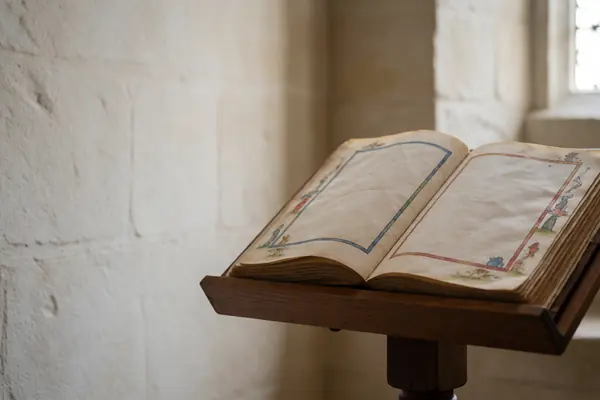
THE SNAIL FIGHTS
Knights against snails
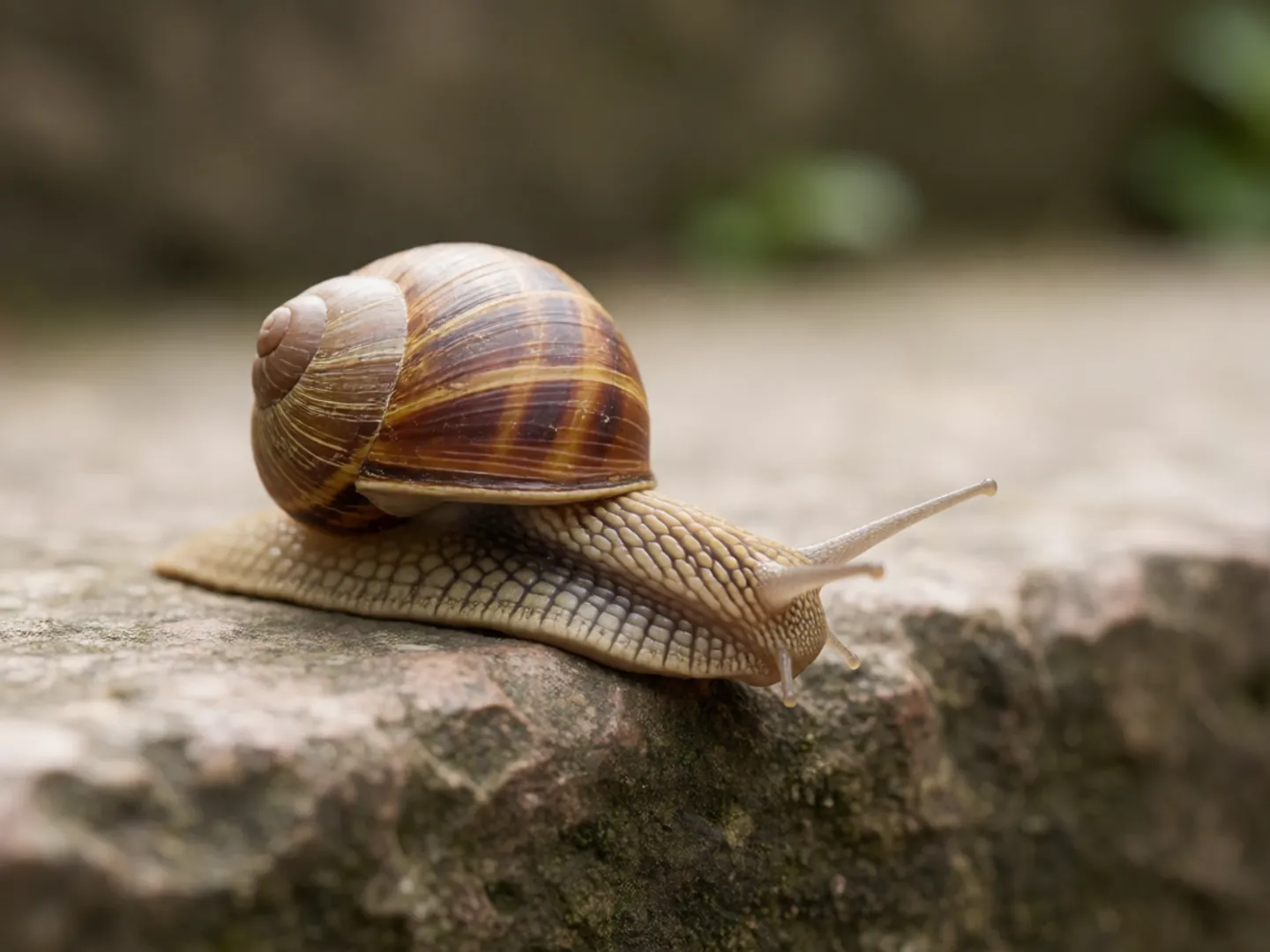
From around 1290, North French manuscripts show armed knights facing snails with horns out like arrows; the image soon spread to Flemish and English books.
Meet the creatures mydoodlebible
AN ART HISTORY OF MEDIEVAL MARGINS
Seven hundred years ago, scribes and painters left jokes at the edge of the page.
c. 1290 snails take the field
c. 1290 First knight-and-snail scenes
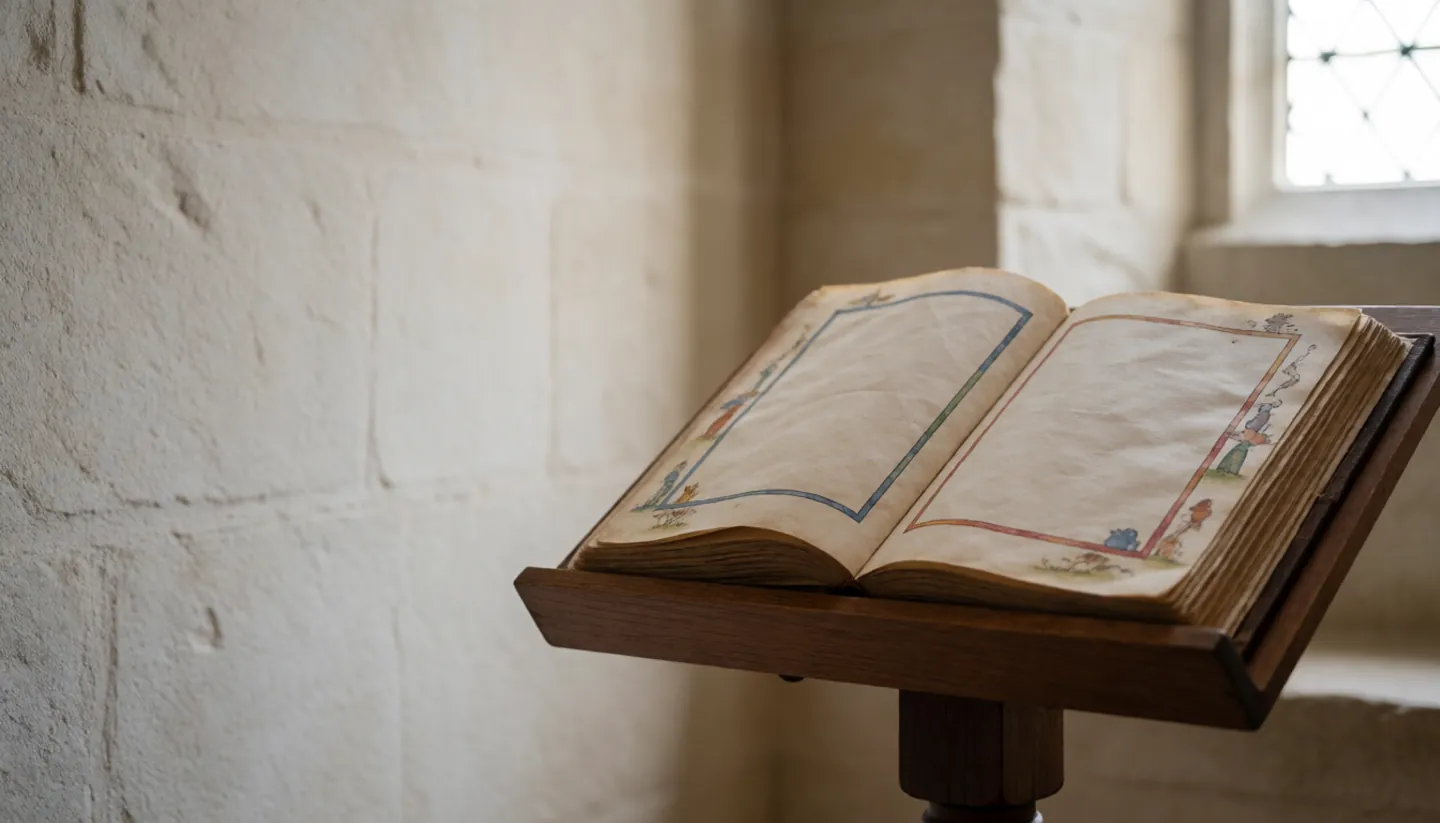
Knights fight snails, rabbits square up to them too, and creatures turn into other creatures. Historians call these pictures drolleries. This independent art history guide explains what they are, how they were made and what they might have meant.
THE SHORT ANSWER
Drolleries were most popular from about 1250 to the 15th century.
Many are only loosely tied to the text beside them.
THE SNAIL FIGHTS
From around 1290, North French manuscripts show armed knights facing snails with horns out like arrows; the image soon spread to Flemish and English books.
Meet the creaturesTHE WORD
The word comes from the French drôlerie, a joke. The most common drolleries are mixed creatures: animal with animal, animal with human, even animal with plant.
Why they drew themTHE MAKING
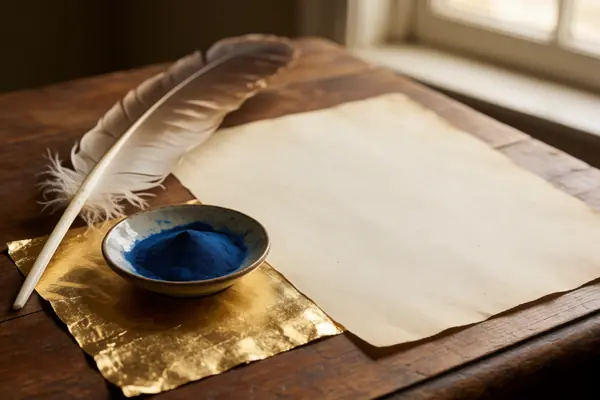
Illuminators drew an outline, laid and burnished gold leaf, then painted with pigments mixed with egg white to make tempera.
How a page was madeA QUICK MARGIN CHECK
Pick a margin character to see what the sources say about it. The bar shows how often it appears, from very common to a rare one-off.
A rough guide to frequency, based on how the sources describe each image. No one has counted every margin.
FOUR STAGES OF A PAGE
The Getty Museum describes four stages in making a medieval book: preparing the parchment, writing, illumination and binding.
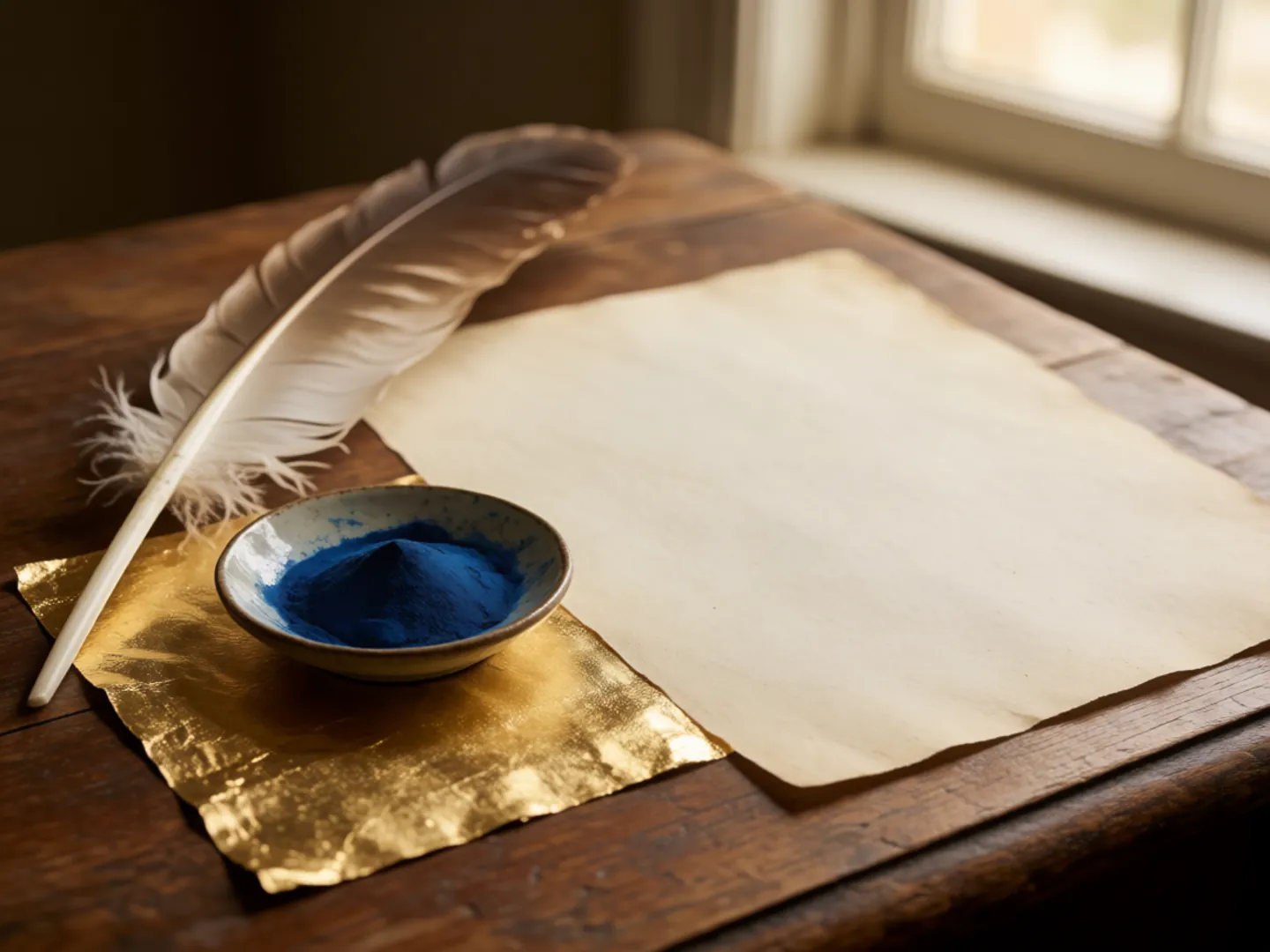
Animal skins were soaked in lime, scraped with a curved knife and stretched, again and again, until thin and smooth.
Lines were ruled in leadpoint or coloured ink. The scribe wrote with a quill cut from a goose or swan feather.
An outline drawing came first. Gold leaf was laid on sticky bole or gum and burnished, then colours mixed with egg white were painted on.
Folded sheets were nested into gatherings, sewn onto cords or thongs and laced into wooden boards, usually covered in leather or fabric.
TWO DATES WORTH KNOWING
The snail battles began around 1290.
Paper was still rare in Europe for another century and a half.
c. 1290
First knight-and-snail scenes
They appear in North French illuminated manuscripts towards the end of the 13th century, then in Flemish and English books. By about 1310 the motif was carved on the main entrance of Lyon Cathedral.
BANGOR UNIVERSITY · 2023
≈ 1450
When paper became common in Europe
Until then most manuscripts were written on parchment or vellum: animal skins soaked in lime, scraped and stretched over several days until thin enough.
GETTY MUSEUM
Dates are as given by the sources listed below. Individual manuscripts are dated by scholars to a range of years.
WHY THEY DREW THEM
One theory is simple humour: a reader could rest their eyes and laugh at a knight dropping his sword before a tiny foe. Snails were also admired for their strength in carrying their homes, so beating one might stand for a test of courage. Another suggestion, noted by the Smithsonian, is that the snail stood for the Lombards, a group vilified at the time.
Whatever the meaning, these margins are valuable today. Drolleries are among the richest surviving pictures of everyday medieval life. English examples such as the Luttrell Psalter, the Gorleston Psalter, the Taymouth Hours and the Smithfield Decretals, all 14th-century, are now in the British Library.
Questions
A small decorative image in the margin of an illuminated manuscript, most popular from about 1250 through the 15th century. The word comes from the French drôlerie, meaning a joke.
Nobody knows exactly. Suggestions include humour, a test of courage against a creature admired for its strength, and satire. The motif varied little across countries, which suggests it carried a shared meaning.
Around 1290 in North French manuscripts, then in Flemish and English ones. They faded during the 1300s and had a brief revival towards the end of the 15th century.
The Getty Museum describes an outline drawing in leadpoint or ink, gold leaf laid on bole or gum and burnished, then pigments mixed with egg white, a paint called tempera.
No. This is an independent art history guide about medieval book decoration. It does not teach or promote any religious belief.
Updated
ABOUT THIS NAME
mydoodlebible.com is part of the DoodleSale portfolio. It isn't in an auction right now, but you can ask about leasing it.